
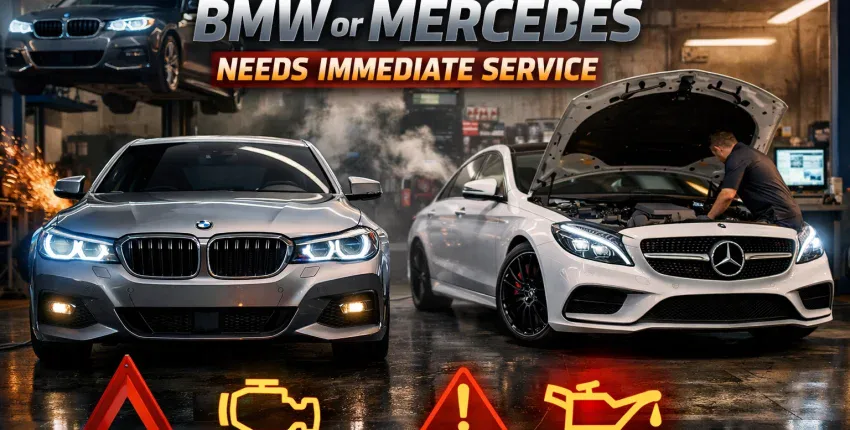
You didn’t buy a BMW for its “adequate” acceleration, and you certainly didn’t pick up a Mercedes-Benz because you wanted a car that just “gets you there.” You bought a piece of German engineering excellence: a machine designed for precision, luxury, and a driving experience that makes a simple trip to the grocery store feel like a lap at the Nürburgring.
But here’s the reality: high-performance machines require high-performance attention. Unlike that old sedan you drove in college that could run on hope and a prayer, a luxury vehicle is a complex ecosystem of sensors, tight tolerances, and advanced electronics. When something goes wrong, your car doesn’t just suggest a fix; it demands one.
Ignoring these warning signs isn’t just a gamble with your car’s longevity; it’s a gamble with your wallet. If you’re looking for mercedes service los angeles or high-end bmw repair north hollywood, staying ahead of these symptoms is the difference between a quick tune-up and a multi-thousand-dollar engine rebuild.
Here are the five critical signs that your BMW or Mercedes needs to visit the specialists at The Auto Lounge immediately.
1. The Dashboard “Christmas Tree” (And What the Colors Mean)
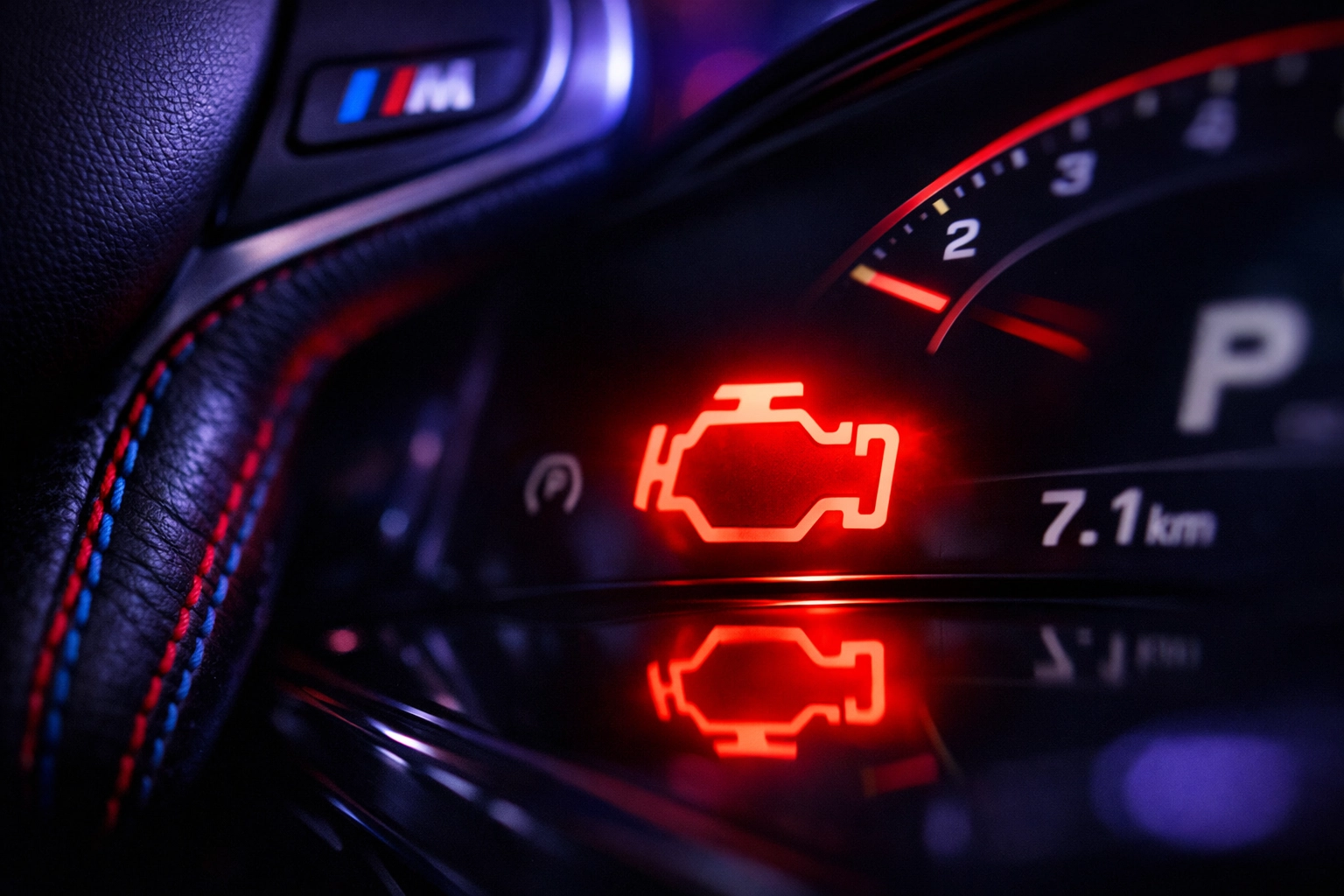
We’ve all been there. You’re cruising down the 101, enjoying the seat massagers, when suddenly a bright icon pops up on your instrument cluster. Your first instinct might be to ignore it, but in the world of European cars, the dashboard is your car’s primary way of communicating its health.
Mercedes-Benz uses a very specific color-coded system that every owner should memorize. A Yellow or Orange light usually indicates a system fault that isn’t immediately life-threatening but needs to be checked soon. However, a Red or Flashing light is the automotive equivalent of a 911 call. If you see a red battery light, oil pressure light, or brake system light, pull over.
BMW owners have it slightly different. Thanks to the sophisticated iDrive system, your car will often give you a text-based description of what’s wrong. Whether it’s a “Drivetrain Malfunction” or a “Service Due” notification, these aren’t just suggestions.
Why it matters:
Modern luxury car maintenance relies heavily on onboard diagnostics. Ignoring a “Check Engine” light because the car “feels fine” is a mistake. That light could be signaling a minor vacuum leak today, which, if left untreated, could burn out your catalytic converters by next week.
2. The Symphony of Chaos: Unusual Noises
Your BMW or Mercedes was engineered to be quiet: a literal “Lounge” on wheels. When that silence is replaced by clicks, clunks, or squeals, it’s time to pay attention.
- Squealing or Grinding during braking: This is the most common sign that your pads are shot or your rotors are warped. Given the weight and power of these vehicles, brake health is non-negotiable. If you’re hearing metal-on-metal, you’re already past the point of a simple pad swap. Check out our brake safety guide for a deeper dive into stopping power.
- Whining or Humming from the engine: This often points to a failing alternator, water pump, or power steering pump. In a BMW, a high-pitched whine can sometimes indicate a failing turbocharger: an expensive component you definitely want to catch early.
- Clunking over bumps: If your smooth ride suddenly feels like you’re driving a wagon with wooden wheels, your suspension bushings or struts are likely failing.
The Solution:
Don’t turn up the radio to drown out the noise. A european car specialist los angeles can use acoustic diagnostic tools to pinpoint exactly which bearing or bushing is failing before it leaves you stranded.
3. The Rainbow Puddle: Identifying Fluid Leaks
If you pull out of your driveway and notice a Rorschach test of fluids on the concrete, your car is trying to tell you something. BMWs and Mercedes are notorious for “weeping” fluids as they age, particularly from plastic cooling components or rubber gaskets.
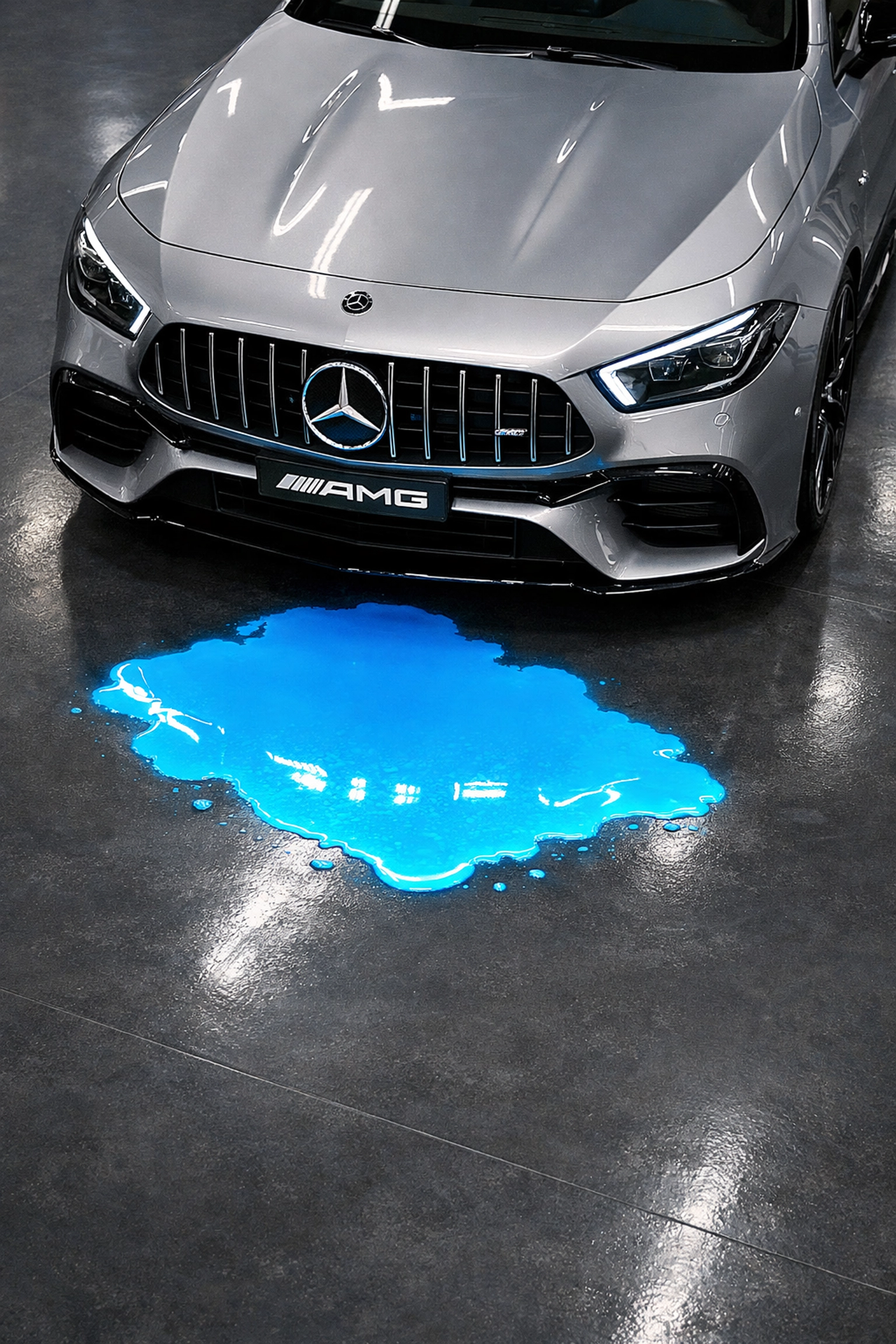
- Bright Green or Blue: This is usually coolant. German engines run hot, and they rely on a pressurized cooling system to stay within safe operating temperatures. A coolant leak is a fast track to a warped head gasket.
- Dark Brown or Black: Engine oil. While a small drip might seem minor, oil leaks can degrade rubber hoses and even cause electrical shorts if they drip onto the alternator.
- Red or Pink: Usually transmission fluid or power steering fluid. If your gear shifts feel “notchy” or your steering feels heavy, this is likely the culprit.
Pro Tip:
If you see a puddle that looks like shimmering rainbows, that’s often fuel or a mix of heavy oils. This is a fire hazard. Do not “wait and see.” Get it to a shop for bmw repair north hollywood immediately.
4. The Sluggish Stallion: Decreased Performance
One of the main reasons people drive European cars is the throttle response. If you step on the gas to merge and your car hesitates, stutters, or feels like it’s “choking,” you’ve lost the very thing that makes your car a BMW or Mercedes.
This often manifests as “Limp Mode” (or Emergency Running Mode). This is a safety feature where the car’s computer limits engine power to protect the transmission and motor from further damage. It feels like you’re trying to drive through molasses.
Common causes include:
- Fouled spark plugs or failing ignition coils.
- Clogged fuel injectors.
- A malfunctioning Mass Air Flow (MAF) sensor.
- Carbon buildup on intake valves (extremely common in direct-injection engines like the BMW N54/N55 or Mercedes M27X series).
If your performance has taken a hit, you might need more than just a filter change. It might be time to look into performance tuning to restore (or exceed) that factory snap.
5. Rough Idling and the “Morning Cough”
When you start your car in the morning, the needle on the tachometer should climb slightly and then settle into a rock-steady rhythm. If the needle is bouncing, or if the whole car is vibrating like an old lawnmower, you have a rough idle.
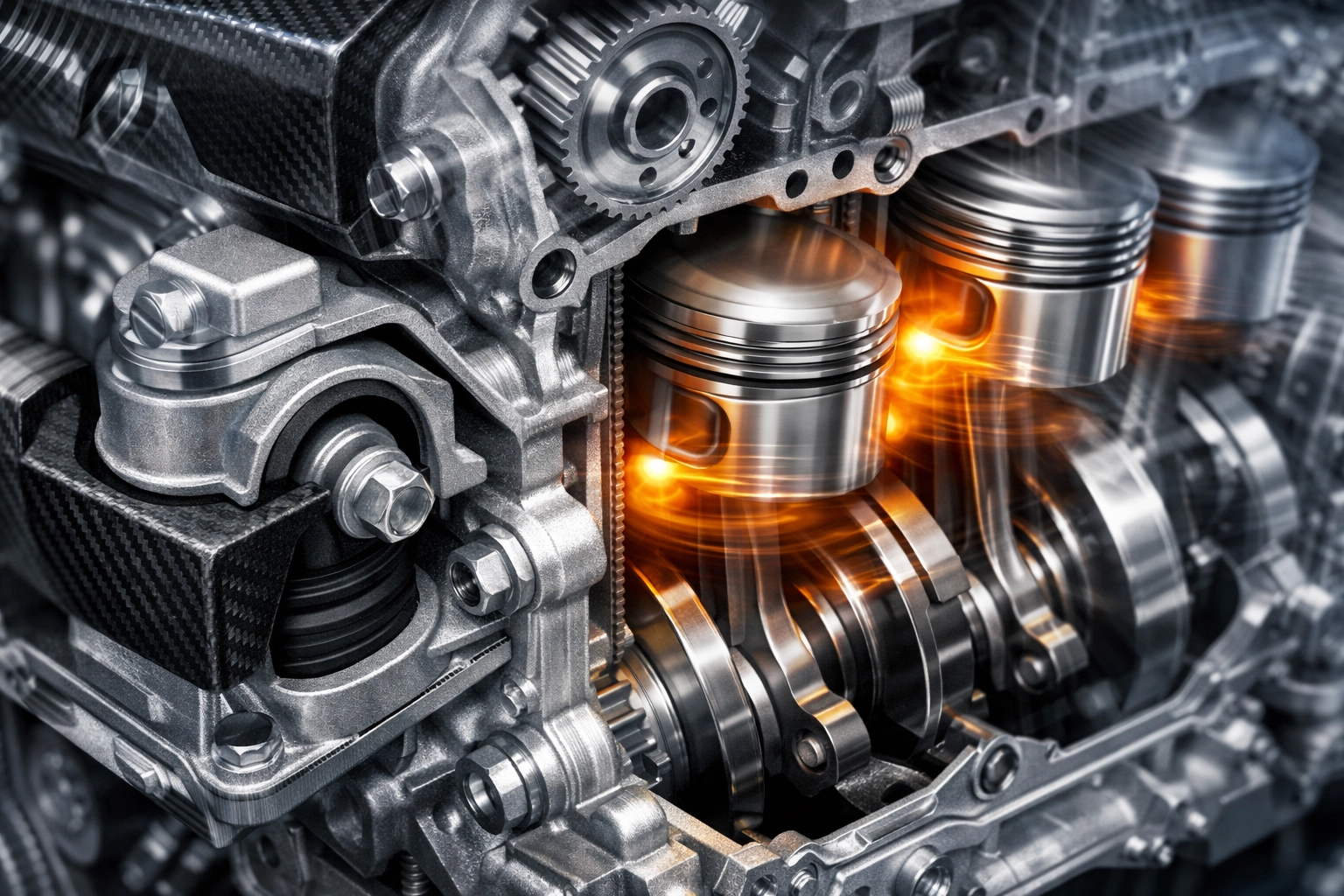
This is frequently caused by a vacuum leak or an issue with the fuel system. In Mercedes-Benz vehicles, a rough idle can also be a sign of failing engine mounts. Because these cars use liquid-filled mounts to provide that “cloud-like” vibration dampening, once they leak, you’ll feel every stroke of the pistons in your steering wheel.
The Financial Reality:
Stalling at a stoplight isn’t just embarrassing; it’s dangerous. A car that stalls in the middle of a Los Angeles intersection is a liability. Addressing a rough idle early usually costs a fraction of what a full engine diagnostic and repair will cost after a total stall event.
Why Specialized Maintenance Matters in LA
Los Angeles is a unique environment for cars. We deal with extreme heat, stop-and-go traffic on the 405 that stresses cooling systems, and road debris that can wreak havoc on your undercarriage.
Standard “quick-lube” shops are often ill-equipped to handle the specific needs of a BMW or Mercedes. They might use the wrong grade of synthetic oil or a generic filter that doesn’t meet the high-flow requirements of your engine. When you choose an european car specialist los angeles, you’re ensuring that the parts used are OEM or better, and that the technicians actually understand the nuances of your specific chassis.
Don’t Wait for the Breakdown
Owning a luxury vehicle is a partnership. If you take care of the car, it will provide you with years of unparalleled driving pleasure. If you ignore the signs, it becomes a very expensive driveway ornament.
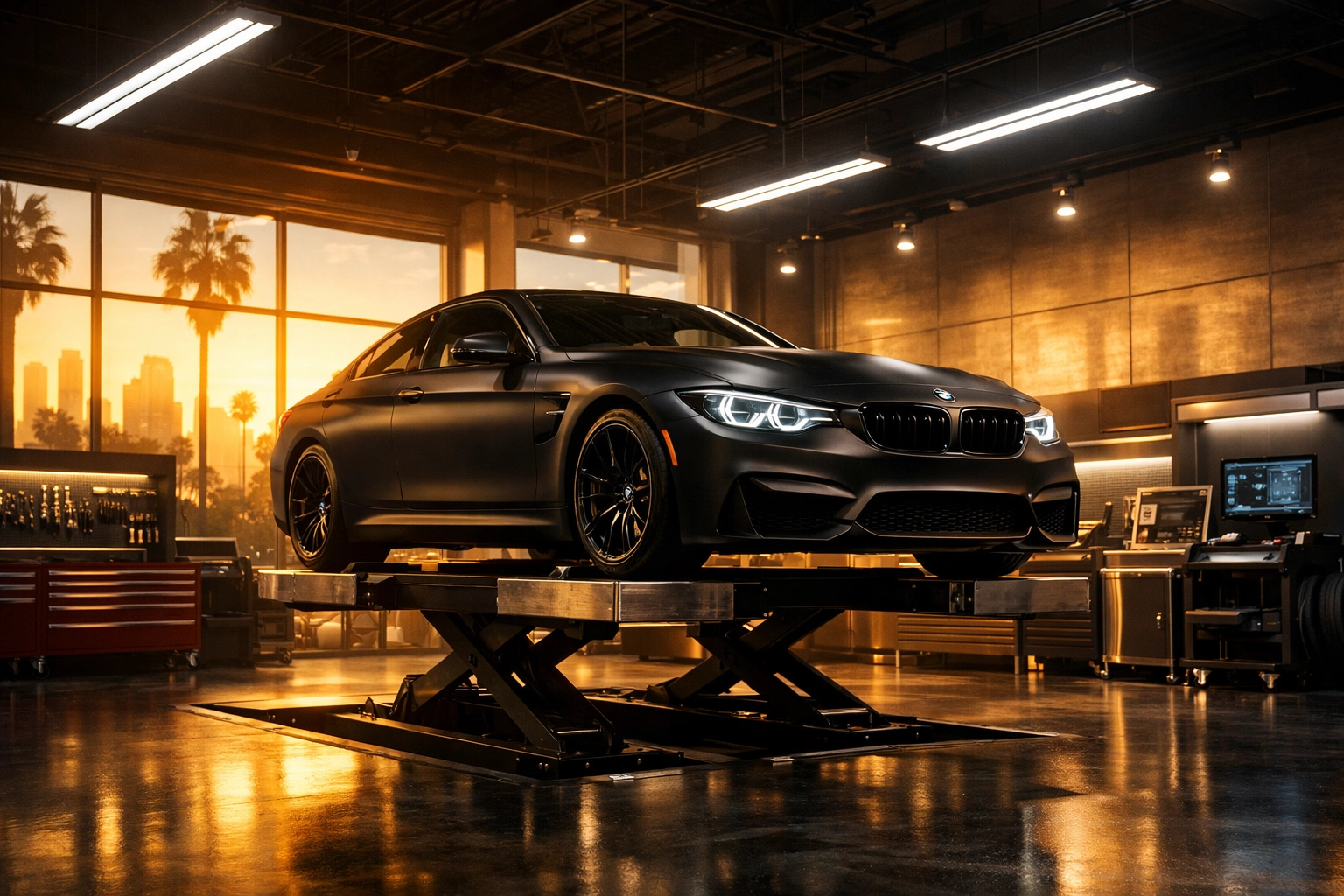
At The Auto Lounge, we specialize in keeping your German masterpiece in peak condition. Whether you need a routine B-Service for your Mercedes or a complex cooling system overhaul for your BMW, our team in North Hollywood is here to help.
Ready to give your car the attention it deserves?
Schedule your service at The Auto Lounge today and experience the peace of mind that comes with expert European car care. Don’t let a small warning sign turn into a major headache: keep your drive smooth, powerful, and safe.